Beyond the Bookie: How Decentralized Betting Works & Why It Matters (FAQs Answered!)
Decentralized betting, at its core, removes the need for a traditional bookmaker or central authority. Instead of placing bets with a company that controls the odds and payouts, participants interact directly with a smart contract on a blockchain. This contract automates the entire betting process, from accepting wagers to distributing winnings, based on pre-defined rules. Think of it as a transparent, self-executing agreement where no single entity can manipulate the outcomes or hold your funds hostage. This fundamental shift from a centralized model to a peer-to-peer system offers unprecedented levels of transparency and security, making it a compelling alternative for those seeking a fairer and more robust betting experience.
The 'why it matters' aspect of decentralized betting stems from several key advantages. Firstly, it offers enhanced transparency, as all transactions and contract logic are publicly viewable on the blockchain, eliminating concerns about rigged odds or unfair practices. Secondly, it boasts increased security; funds are held in escrow by the smart contract, not a vulnerable third party, significantly reducing the risk of hacks or insolvency. Finally, decentralized platforms often feature lower fees due to the absence of intermediaries, and they are typically censorship-resistant, meaning they can operate globally without being shut down by a single government or corporation. This combination of benefits empowers users with greater control and trust, fundamentally reshaping the betting landscape.
Decentralized betting offers a revolutionary approach to online wagering, leveraging blockchain technology to ensure transparency, fairness, and security. Unlike traditional platforms, decentralized betting removes the need for intermediaries, with smart contracts automating payouts and guaranteeing adherence to predefined rules. This innovative system empowers users with greater control over their funds and provides a trustless environment for placing bets.
Placing Your First Crypto Wager: A Step-by-Step Guide to Decentralized Betting Platforms
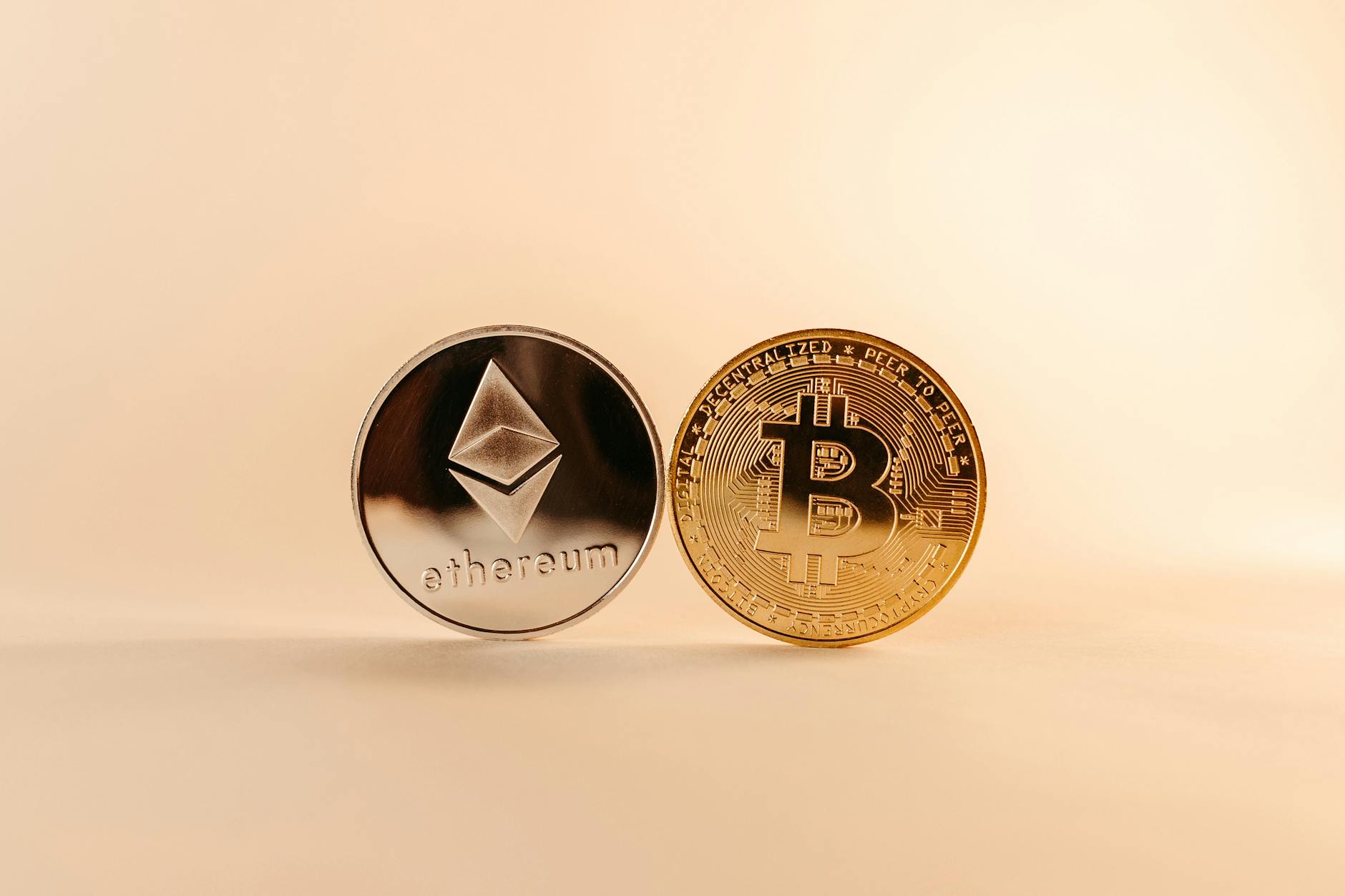
Embarking on your first crypto wager on a decentralized platform might seem daunting, but the process is surprisingly straightforward once you understand the core concepts. The initial step involves acquiring cryptocurrency, typically Ethereum (ETH) or a stablecoin like USDC, as these are widely accepted across most decentralized betting sites. You'll need a secure non-custodial wallet, such as MetaMask, to store your crypto and interact with these platforms. Think of your wallet as your personal bank account for the decentralized web. Once your wallet is funded, navigate to your chosen decentralized betting platform. These platforms are often built on blockchain technology, ensuring transparency and provable fairness, unlike traditional bookmakers. Familiarize yourself with their interface, which usually presents various sports, events, or casino games available for betting.
With your crypto wallet connected and funded, the next stage involves understanding the betting mechanics. Most decentralized platforms offer a range of betting types, from simple 'winner' bets to more complex parlays or prop bets.
Always review the odds carefully, as these are often determined by smart contracts and can fluctuate based on market dynamics and other bettors' actions.To place your wager, you'll typically select your desired outcome, input the amount of cryptocurrency you wish to bet, and then confirm the transaction through your connected wallet. This confirmation process involves a small 'gas fee' on the blockchain, so factor this into your betting strategy. Once confirmed, your bet is recorded on the blockchain, providing an immutable and transparent record of your wager. Remember to gamble responsibly and only bet what you can afford to lose, as the volatile nature of crypto adds another layer of risk.