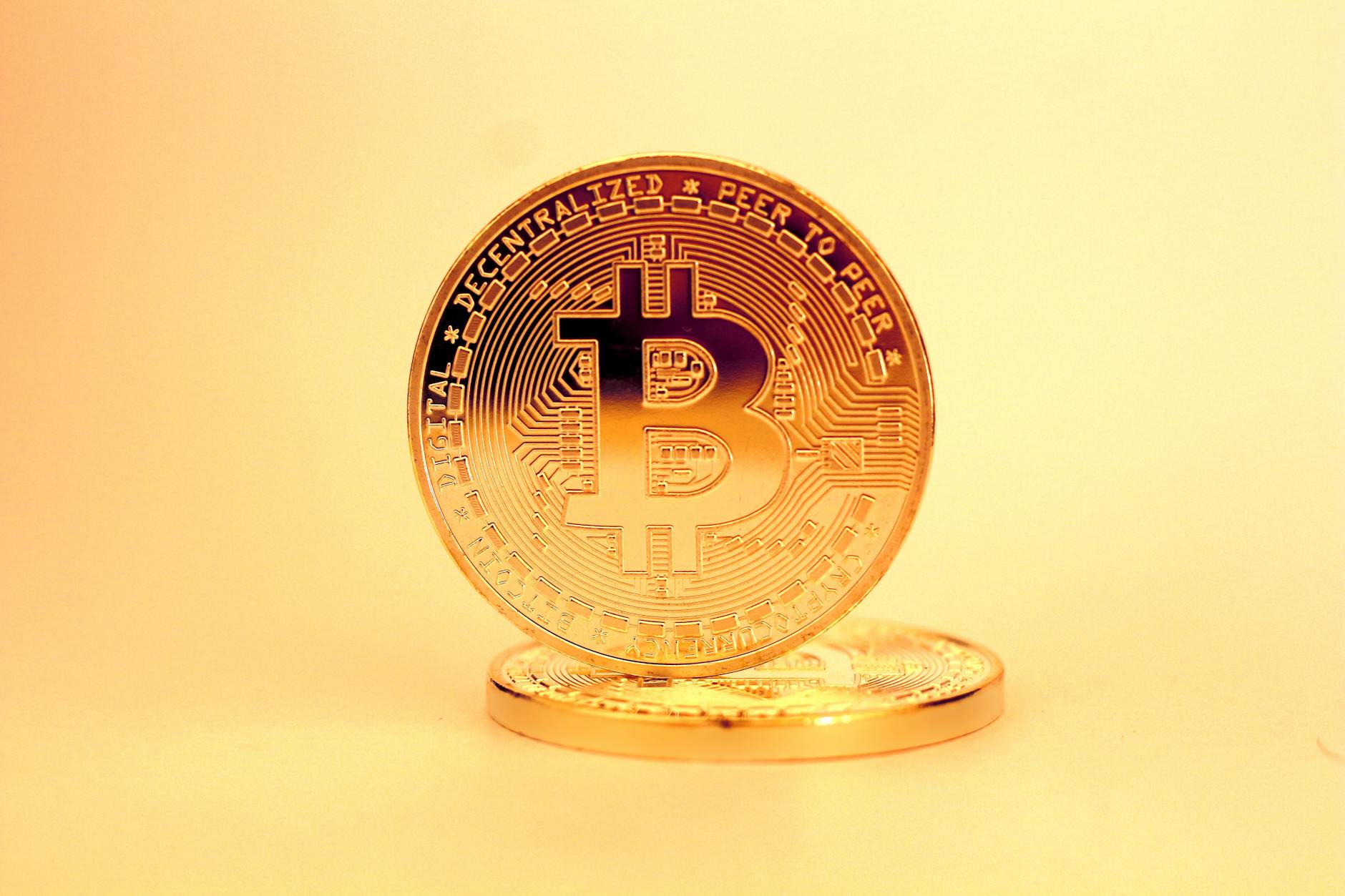
Cracking the Crypto Code: What's a Decentralized Wallet & Why Do You Need One?
In the rapidly evolving world of cryptocurrency, understanding how to secure your digital assets is paramount. A decentralized wallet, often referred to as a non-custodial wallet, is your personal gateway to the blockchain. Unlike traditional bank accounts or centralized crypto exchanges, where a third party holds your funds, a decentralized wallet gives *you* complete control over your private keys. This means you alone have the power to access, send, and receive your cryptocurrencies. Think of it as a digital safe deposit box where only you possess the key, eliminating the risk of a central entity being hacked or freezing your assets. This fundamental shift in ownership is a core tenet of the crypto ethos, empowering individuals with true financial sovereignty.
The need for a decentralized wallet stems directly from the inherent risks associated with centralized services. When you use a centralized exchange, you're essentially entrusting them with your digital wealth, making you vulnerable to their security practices and potential regulatory actions. A decentralized wallet, conversely, offers unparalleled security and autonomy. Here's why you need one:
- True Ownership: Your private keys, your coins. No intermediaries.
- Censorship Resistance: No one can block or freeze your transactions.
- Enhanced Security: You control the security measures, not a third party.
- Access to DeFi: Essential for interacting with decentralized finance applications.
Decentralized betting offers a revolutionary approach to wagering, removing the need for traditional intermediaries and operating on blockchain technology. This allows for increased transparency, reduced fees, and enhanced security for users worldwide. With decentralized betting, participants can engage in peer-to-peer wagers, knowing that smart contracts enforce the rules and payouts automatically.
Your First Fiat-to-Crypto Leap: Funding Your Wallet and Making That Initial Bet
Embarking on your cryptocurrency journey often begins with a crucial step: converting your traditional fiat currency into digital assets. This process, known as funding your crypto wallet, typically involves using a reputable cryptocurrency exchange. Platforms like Coinbase, Binance, or Kraken offer user-friendly interfaces for linking your bank account, debit card, or even credit card. While bank transfers often have lower fees, they might take a few business days to clear. Debit and credit card purchases, on the other hand, are usually instantaneous but can incur higher transaction costs. Carefully compare the fees and processing times across different exchanges before making your choice, ensuring your initial foray into crypto is both efficient and cost-effective. Remember to prioritize exchanges with strong security protocols and positive user reviews.
Once your fiat funds have successfully landed in your chosen exchange wallet, you're ready to make your initial bet on the crypto market. This doesn't necessarily mean placing a risky gamble; rather, it refers to your first purchase of a cryptocurrency. For newcomers, it's often advisable to start with well-established cryptocurrencies like Bitcoin (BTC) or Ethereum (ETH) due to their higher liquidity and established market presence. Before executing your trade, take some time to understand the different order types available:
- Market Order: Buys or sells immediately at the current best available price.
- Limit Order: Allows you to set a specific price at which you want to buy or sell, only executing when that price is met.
Choosing a limit order can help you avoid unexpected price fluctuations, especially in volatile markets. Researching the basics of market analysis, even at a fundamental level, can significantly enhance your decision-making process.